Or has no one figured out what to measure for.
Of course they have, although ASR isn't one of them.
You measure Voltage drop across the device
while under load. I think you can see where ASR dropped the ball.
Then you measure the 'before' and 'after' power, distortion and output impedance of the amp used as the load (since amps usually draw the most power). The thing about this is the amp must be at full power and one that draws a bit of power at that. It should also be an amp where the line Voltage can be shown to really affect the amp, which is a thing you can sort out using a variac with the proposed amp prior to the actual testing.
You can see that the particular amp loading the device is an important variable which can't be nailed down in actual use. People using tubes will find that AC power is a lot more important to the sound than people using high feedback class D amps. It will also make a difference as to how well the power supplies are regulated in the preamp and sources. Well regulated supplies are pretty resilient to AC power problems; the most you might get is the occasional mechanical noise out the power transformer.
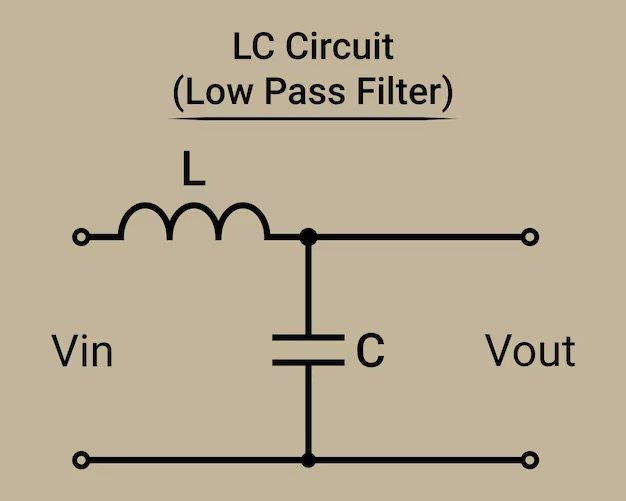
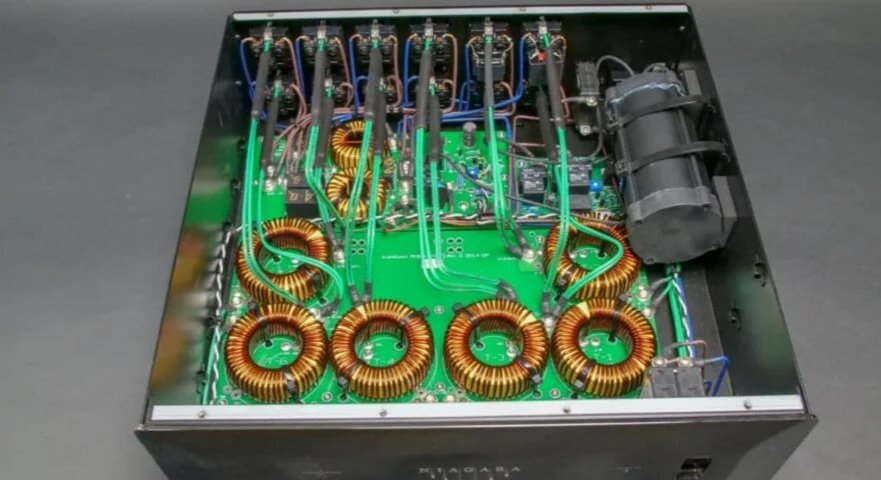
Are you sure those capacitors are uesd for low pass filters?
I asked this question because I have no idea how they inject 90A current!!
Do you think it is just marketing hype ?
They don't 'inject' 90Amps. The marketing text really doesn't tell you what that number really means. So without knowing more about the device I think it unwise to draw a conclusion.
Higher THD or lower THD of ac regenerators has no relation to better sound.
Actually it does, but there are some things to consider. One is that amps with high feedback and low power draw (class D) will be far more immune to AC line issues. Tube amps are usually the most sensitive, especially those lacking feedback and running class A. But an amp that has some sort of design problem might actually 'sound' better with AC power that isn't as clean. Can't say what that problem might be, but I can't think of how a more distorted AC sine wave might benefit a power supply either.
You also need a much larger sample size than 'one'!
P.S
Or a part of dc blocker
A DC blocker, even one that handles a lot of current, is a relatively small device. That cap looks pretty big.
That would mean one coil for each socket and only capacitor for all sockets. I don't think that would be strange, it will have a different function i think
It won't deal with changes in AC line Voltage. Plus you have the issue of the Voltage drop across the one power cord it uses. This is one of my objections to power strips, even glorified ones, as Voltage drop is one of the main reasons people hear differences between power cords, fuses and AC outlets.
Are you going to go to the trouble to correctly set up a battery system and then a/b lead acid and LIFeP?
There wouldn't be much point would there? The inverter circuit would have to be terrible for the battery to actually have an audible effect.