Kingrex,
Once house built it is hard to do sound insulation, as you need to change construction.
Your room proportions: good to know before you start construction, as with a small change in proportions you may get great result.
This is one of the most important things you need to check and it is first step to do. All starts from wall-ceiling-floor reflections.
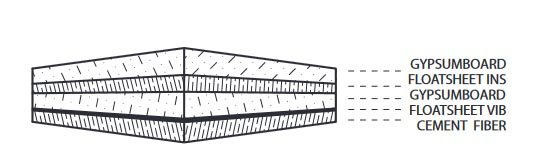
My suggestions what you can do there is to add double waterproof plaster on top of your veneer with insulation sheets between plaster and veneer. A kind of "floating floor", what will take some energy and absorb it in insulation sheet,
next you
glue parquet on top. You will get quite solid construction decoupled with veneer floor, say about 25-35kg/m2
It will take about 25-30mm, and looks that it will affect doors - you need to rebuild entrances.
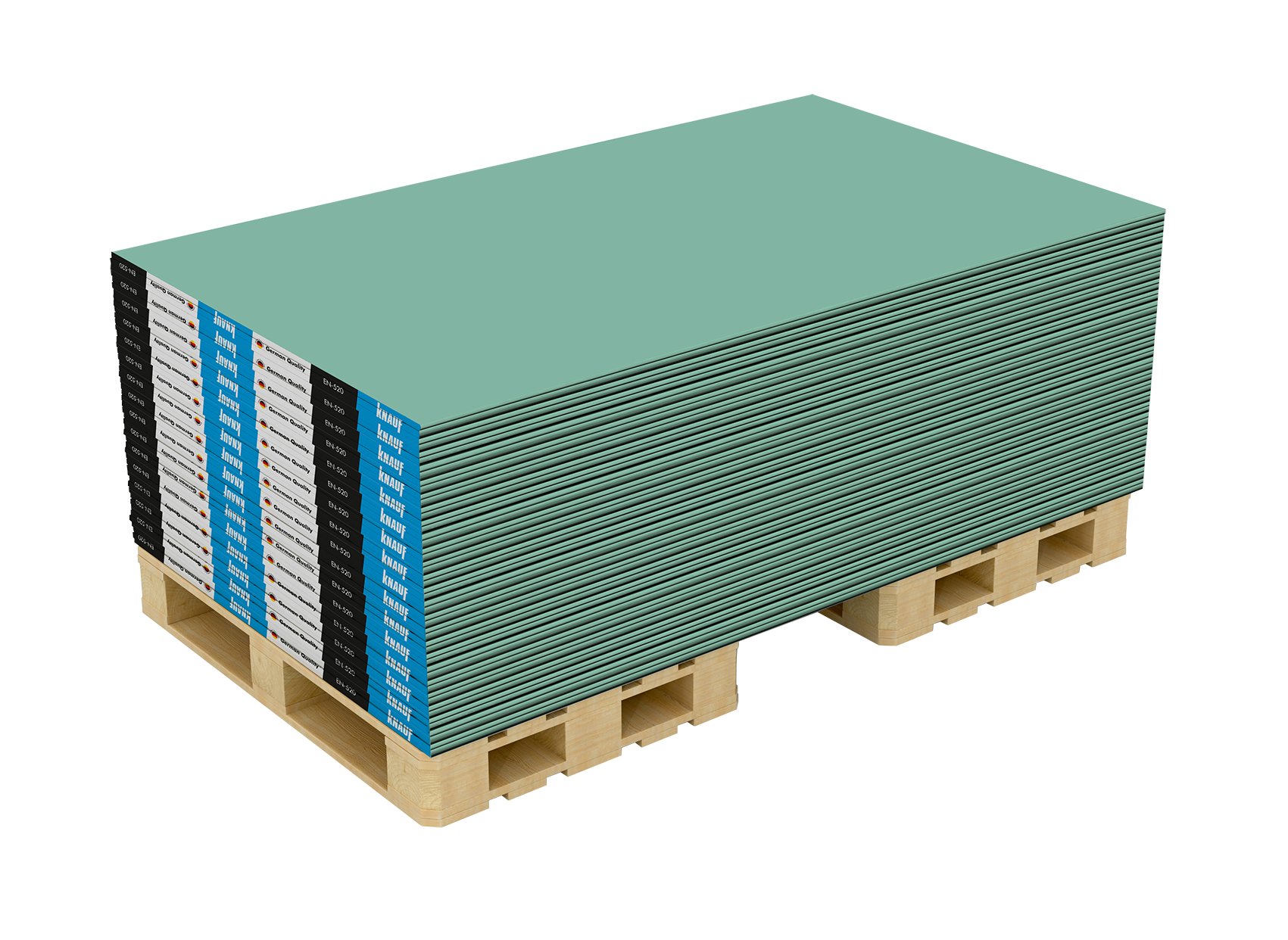
What is often used in my area is Knauf:
Knauf moisture resistant gypsum boards are used in interior wet spaces with relative humidity <=70% (ventillated wet spaces) for partition wall & ceiling application.

knauf.com
For insulation sheets you can go with something like this, just search what you can source locally, as it heavy and shipping will be quite valuable.
Your walls and ceiling: use a damping tape between wood and plaster, something like this: it will do some decoupling.
Knauf Sealing tape for sound decoupling and sound sealing for drywall systems, self-adhesive, sealing tape, especially for metal profiles and substructures, 50 mm x 30 m : Amazon.nl: DIY & Tools
www.amazon.nl
Make a walls and ceiling with double plaster - we need weight there, otherwise they will work as a tuned bass-traps in the frequencies where we do not need absorption.
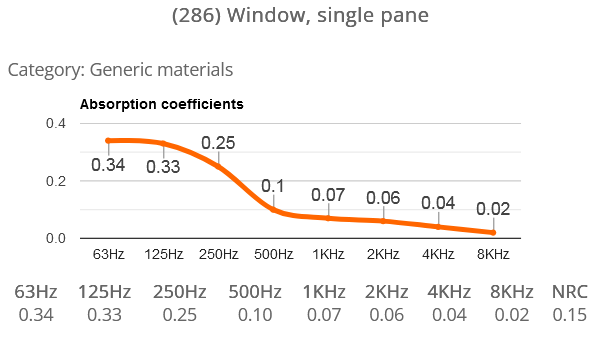
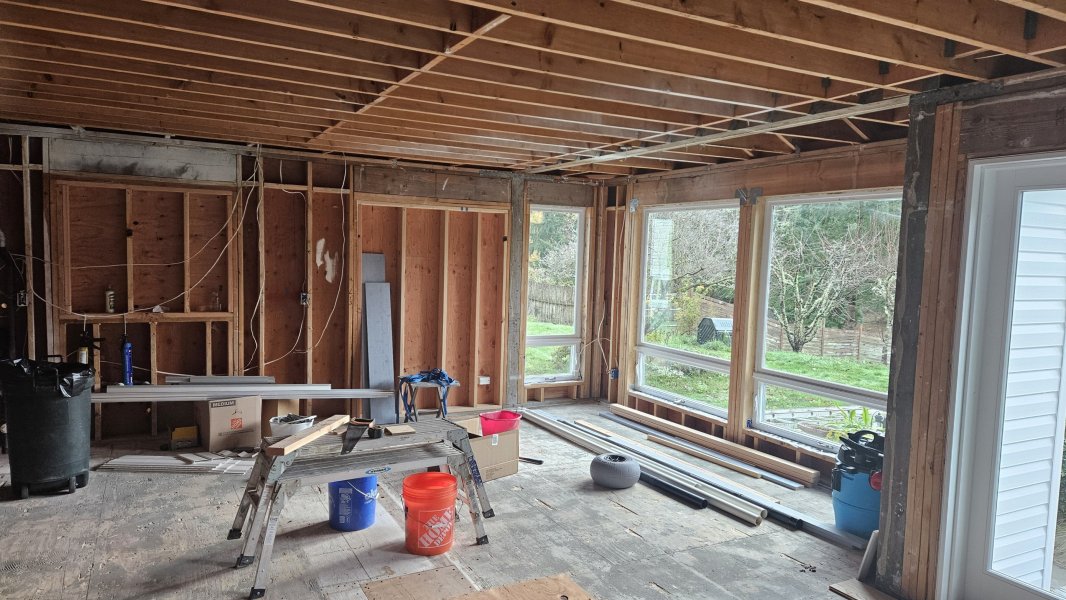
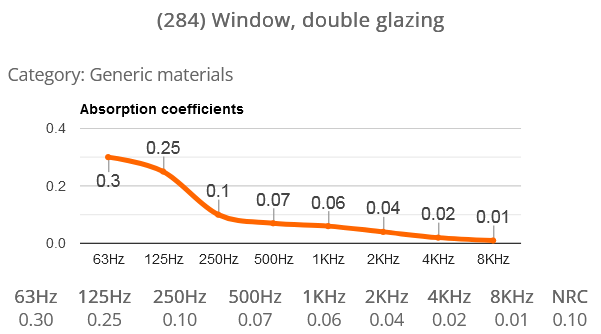
Windows: pay attention to it, they are quite big and will work as a tuned bass-trap. Double, triple glazed will have higher mass and lower absorption and lower frequency.
----------------------------