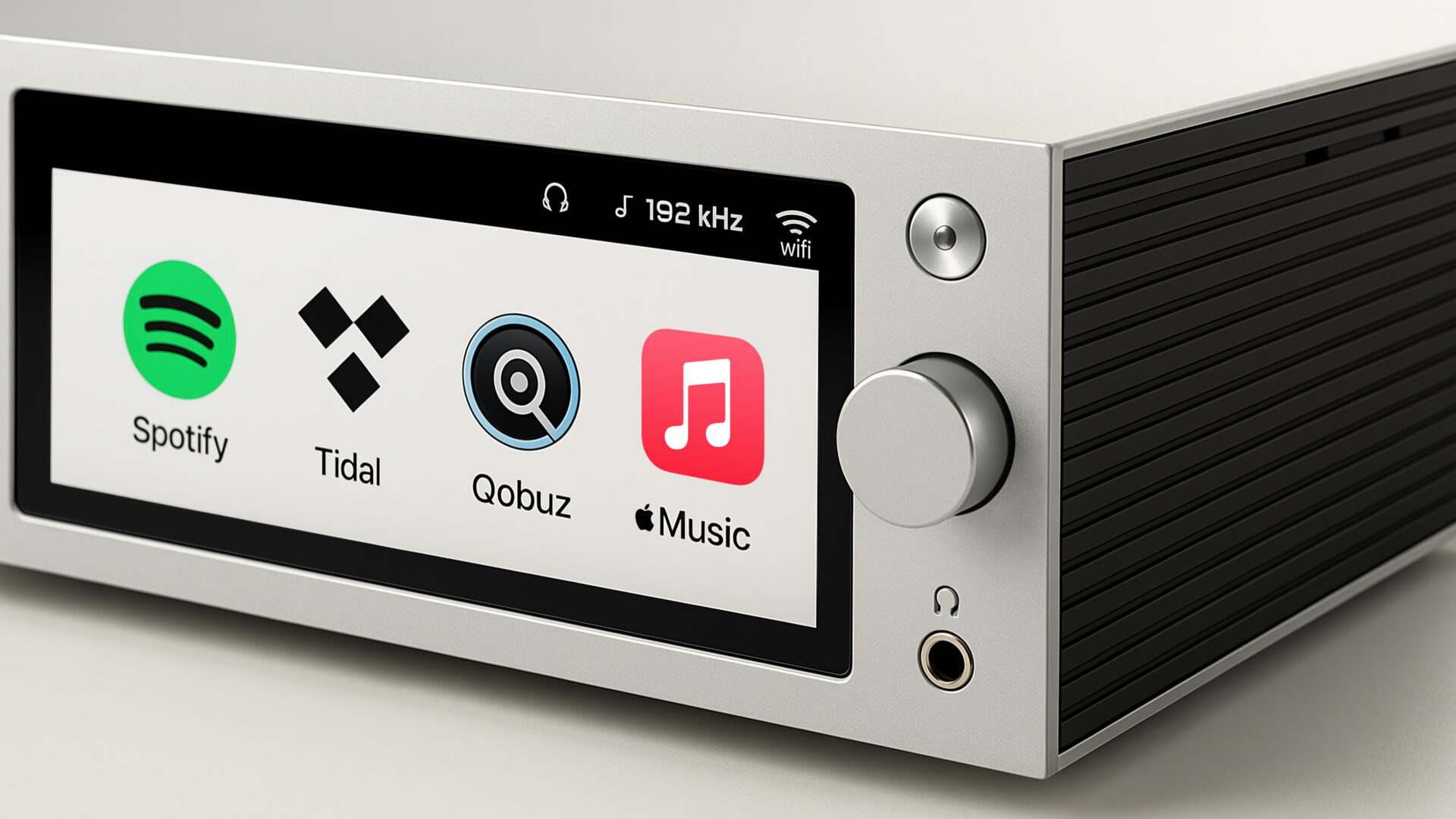

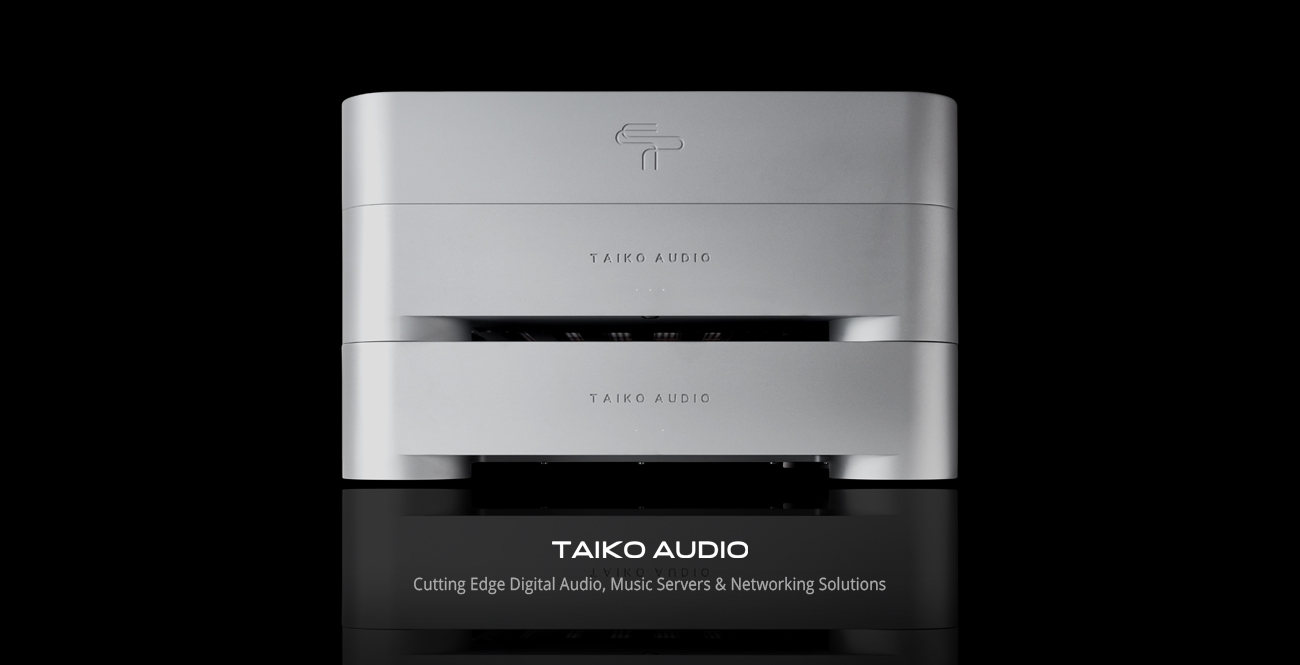
Introducing Olympus & Olympus I/O - A new perspective on modern music playback

Hi Emile, the Norwegian magazine Lyd og Bilde compared the sound quality of Qobuz, Tidal, Spotify and Apple Music, and its conclusions surprised me. Here's what they found (translated from Norwegian):

"Apple Music caught us off guard
The big surprise was Apple Music. Recording after recording, it outperformed both Tidal and Qobuz – two services that have long been the first choice for hi-fi enthusiasts. Qobuz, incidentally, was never poor – but never the best either. On a couple of recordings, it managed to match Apple Music, much to our delight. However, that was the exception, not the rule.

A challenge for the industry
From now on, Apple Music will be the editorial team's preferred choice. For the industry, this poses a challenge. Most music streamers have built-in support for Spotify and Tidal. Many support Qobuz. But very few support Apple Music. Spotify is integrated because it's the world's largest service. However, even though Apple Music is actually much larger than both Tidal and Qobuz combined, you usually have to resort to AirPlay to play Apple Music. When doing so, you don't get the hi-res quality we experienced in our test."

The testers used a HiFi Rose RS 451 streamer with Apple Music integrated. Do you think the findings will be the same on the Olympus? And given these findings, I'm wondering whether there is – or might be in the future – a way to utilise Apple Music directly on the Olympus?
 
  • Like
Reactions: Koegz
Hi Emile, the Norwegian magazine Lyd og Bilde compared the sound quality of Qobuz, Tidal, Spotify and Apple Music, and its conclusions surprised me. Here's what they found (translated from Norwegian):

"Apple Music caught us off guard
The big surprise was Apple Music. Recording after recording, it outperformed both Tidal and Qobuz – two services that have long been the first choice for hi-fi enthusiasts. Qobuz, incidentally, was never poor – but never the best either. On a couple of recordings, it managed to match Apple Music, much to our delight. However, that was the exception, not the rule.

A challenge for the industry
From now on, Apple Music will be the editorial team's preferred choice. For the industry, this poses a challenge. Most music streamers have built-in support for Spotify and Tidal. Many support Qobuz. But very few support Apple Music. Spotify is integrated because it's the world's largest service. However, even though Apple Music is actually much larger than both Tidal and Qobuz combined, you usually have to resort to AirPlay to play Apple Music. When doing so, you don't get the hi-res quality we experienced in our test."

The testers used a HiFi Rose RS 451 streamer with Apple Music integrated. Do you think the findings will be the same on the Olympus? And given these findings, I'm wondering whether there is – or might be in the future – a way to utilise Apple Music directly on the Olympus?
When I compare some albums that I have on CD Qobuz sounds a tad compressed less dynamic and on some other Qobuz is the better one.

The review you mention above smells a bit to "semi Apple Music commercial" of the Norwegian magazine Lyd og Bilde but of course I may be wrong....?
 
Last edited:
When I compare some albums that I have on CD Qobuz sounds a tad compressed less dynamic and on some other Qobuz is the better one.

The review you mention above smells a bit to "semi Apple Music commercial" of the Norwegian magazine Lyd og Bilde but of course I may be wrong....?
Since Apple isnt integrated into hifi components, I wonder how they did a meaningful comparison. Also, did they test only Redbook, or did they include hi-res, which i dont think Apple supports. Assuming they're right however, I wonder what technology or approach is responsible for the difference. When I did apples to apples comparisons of Qobuz and Tidal, I couldn't tell the difference. But others might be more discerning than me.
 
Last edited:
Since Apple isnt integrated into hifi components, I wonder how they did a meaningful comparison. Also, did they test only Redbook, or did they include hi-res, which i dont think Apple supports. Assuming they're right however, I wonder what technology or approach is responsible for the difference. When I did apples to apples comparisons of Qobuz and Tidal, I couldn't tell the difference. But others might be more discerning than me.
Emile,
Any progress with Qobuz Connect on Olympus?
I believe that, for streaming purposes only, it would be a major uptick in SQ since I guess Roon is our bottleneck, regarding my previous experience with XDMS and the Extreme.
Thank you.
 
When I compare some albums that I have on CD Qobuz sounds a tad compressed less dynamic and on some other Qobuz is the better one.

The review you mention above smells a bit to "semi Apple Music commercial" of the Norwegian magazine Lyd og Bilde but of course I may be wrong....?
All I can say is that it seems like a thorough review carried out by three people at Lyd og Bilde.


Since Apple isnt integrated into hifi components, I wonder how they did a meaningful comparison. Also, did they test only Redbook, or did they include hi-res, which i dont think Apple supports. Assuming they're right however, I wonder what technology or approach is responsible for the difference. When I did apples to apples comparisons of Qobuz and Tidal, I couldn't tell the difference. But others might be more discerning than me.
About hi-res the article says:

“The extensive lossless catalogue in both Apple Music and Music Classical consists of audio files in lossless sound quality of up to 24-bit at 192 kHz, in ALAC format. This means that in theory, you get studio-quality sound when you stream music from a network player with the Apple Music app integrated.

Here we should point out two important things: Not all network players support Lossless hi-res in Apple Music – Wiim and the Heos platform, for example. And you must stream the music from the network player to get the highest sound quality – not directly from your mobile phone.

Through AirPlay alone, you won't get Hi-Res. At best, you'll get 16/44."

About SQ the article states, among other things:

“The far more recent recording of Alex Warren's Eternity is also available in 24/96 quality on Apple Music. Here it's not just deeper bass and better focused vocals. The soundstage is clean, and there's good dynamic contrast. The backing vocals sound more resolved and defined than on Spotify, and again Qobuz and Tidal are almost on par with Apple Music.

Geir Gråbein Nordby believes that Tidal and Apple are much closer to each other than the others.

"It's quite reassuring that we all hear the same differences. Then it's less likely that this is just placebo."
 
Emile,
Any progress with Qobuz Connect on Olympus?
I believe that, for streaming purposes only, it would be a major uptick in SQ since I guess Roon is our bottleneck, regarding my previous experience with XDMS and the Extreme.
Thank you.
As Emile mentioned, the differences between XDMS and Roon are practically gone on Olympus. The remaining differences are a matter of taste. Nevertheless, we will always continue to strive for better ways of doing things. Qobuz Connect for Olympus is on the wishlist.

Emile has already tested Qobuz Connect and finds it sounds very similar to Roon, if slightly more vivid.

This is what the roadmap looks like for both Olympus and Extreme:

1) UpnP client (control via mConnect/BubbleUPnP/JPLAY)
2) Tidal connect
3) Qobuz connect
4) Airplay
5) Chromecast

But please don't pin us on the order of appearance. We have many irons in the fire, and some developments go faster than others.

For instance, we’ve completed a full Linux version of the XDMI driver, along with a Linux-based OS running Roon. Early reports indicated that the process runs very reliably. I do not yet have an update on any sound quality comparisons. This does not necessarily mean Olympus is moving to Linux. But it lets us isolate and understand the processes on a more intricate level. Since the same OS/XDMI code runs on both the Olympus and the Router, this gives us a clean comparative view, not just for refining parameters, but also for exploring some interesting directions for future technology.

We also have UPnP running, and we’re adding player functionality to the BMS app. The BMS app will evolve into a multi-functional Taiko app that can manage multiple Taiko technologies, including BMS, music playback, XDMI settings, DAC settings, and configuration/update/troubleshooting for the Router, Olympus, and Extreme.
 
As Emile mentioned, the differences between XDMS and Roon are practically gone on Olympus. The remaining differences are a matter of taste. Nevertheless, we will always continue to strive for better ways of doing things. Qobuz Connect for Olympus is on the wishlist.

Emile has already tested Qobuz Connect and finds it sounds very similar to Roon, if slightly more vivid.

This is what the roadmap looks like for both Olympus and Extreme:

1) UpnP client (control via mConnect/BubbleUPnP/JPLAY)
2) Tidal connect
3) Qobuz connect
4) Airplay
5) Chromecast

But please don't pin us on the order of appearance. We have many irons in the fire, and some developments go faster than others.

For instance, we’ve completed a full Linux version of the XDMI driver, along with a Linux-based OS running Roon. Early reports indicated that the process runs very reliably. I do not yet have an update on any sound quality comparisons. This does not necessarily mean Olympus is moving to Linux. But it lets us isolate and understand the processes on a more intricate level. Since the same OS/XDMI code runs on both the Olympus and the Router, this gives us a clean comparative view, not just for refining parameters, but also for exploring some interesting directions for future technology.

We also have UPnP running, and we’re adding player functionality to the BMS app. The BMS app will evolve into a multi-functional Taiko app that can manage multiple Taiko technologies, including BMS, music playback, XDMI settings, DAC settings, and configuration/update/troubleshooting for the Router, Olympus, and Extreme.
Wonderful Christiaan, thank you.
Merry Christmas for you and all the Taiko team.
 
  • Like
Reactions: Christiaan Punter
About hi-res the article says:

“The extensive lossless catalogue in both Apple Music and Music Classical consists of audio files in lossless sound quality of up to 24-bit at 192 kHz, in ALAC format. This means that in theory, you get studio-quality sound when you stream music from a network player with the Apple Music app integrated.

Here we should point out two important things: Not all network players support Lossless hi-res in Apple Music – Wiim and the Heos platform, for example. And you must stream the music from the network player to get the highest sound quality – not directly from your mobile phone.

Through AirPlay alone, you won't get Hi-Res. At best, you'll get 16/44."

About SQ the article states, among other things:

“The far more recent recording of Alex Warren's Eternity is also available in 24/96 quality on Apple Music. Here it's not just deeper bass and better focused vocals. The soundstage is clean, and there's good dynamic contrast. The backing vocals sound more resolved and defined than on Spotify, and again Qobuz and Tidal are almost on par with Apple Music.

Geir Gråbein Nordby believes that Tidal and Apple are much closer to each other than the others.

"It's quite reassuring that we all hear the same differences. Then it's less likely that this is just placebo."
My concern with their test is, once again, the equipment they used for evaluation. On the Olympus, with Taiko networking and analogue DAC, I can't hear much of a difference, if any, between NAS files and Qobuz. If this isn't impacted by their equipment, and is just the quality of the streaming tech, by extension, they're saying on the Olympus, Apple streaming will sound better than local files. I find that hard to believe. If that's the case, that would be some revolutionary technology. Perhaps the difference they're hearing is quality/level/maturity of integration between the services and their streamer, and not the services themselves.
 
Last edited:
Hi Emile, the Norwegian magazine Lyd og Bilde compared the sound quality of Qobuz, Tidal, Spotify and Apple Music, and its conclusions surprised me. Here's what they found (translated from Norwegian):

"Apple Music caught us off guard
The big surprise was Apple Music. Recording after recording, it outperformed both Tidal and Qobuz – two services that have long been the first choice for hi-fi enthusiasts. Qobuz, incidentally, was never poor – but never the best either. On a couple of recordings, it managed to match Apple Music, much to our delight. However, that was the exception, not the rule.

A challenge for the industry
From now on, Apple Music will be the editorial team's preferred choice. For the industry, this poses a challenge. Most music streamers have built-in support for Spotify and Tidal. Many support Qobuz. But very few support Apple Music. Spotify is integrated because it's the world's largest service. However, even though Apple Music is actually much larger than both Tidal and Qobuz combined, you usually have to resort to AirPlay to play Apple Music. When doing so, you don't get the hi-res quality we experienced in our test."

The testers used a HiFi Rose RS 451 streamer with Apple Music integrated. Do you think the findings will be the same on the Olympus? And given these findings, I'm wondering whether there is – or might be in the future – a way to utilise Apple Music directly on the Olympus?

My concern with their test is, once again, the equipment they used for evaluation. On the Olympus, with Taiko networking and analogue DAC, I can't hear much of a difference, if any, between NAS files and Qobuz. If this isn't impacted by their equipment, and is just the quality of the streaming tech, by extension, they're saying on the Olympus, Apple streaming will sound better than local files. I find that hard to believe. If that's the case, that would be some revolutionary technology. Perhaps the difference they're hearing is quality/level/maturity of integration between the services and their streamer, and not the services themselves.
This is definitely something to keep an eye and ear on. Surely, as Joet poses, the result is highly dependent on how the comparison is performed. And the result is hugely reliant on the software and hardware implementation. It's hard to draw solid conclusions. Nevertheless, here are my 2 cents on the matter.

My experience comparing Apple Music is very limited, so please take this FWIW. When reviewing the Lejonklou Källa (pronounced as "Kiyalla") streamer/endpoint in November 2021, I listened to Spotify, Qobuz, and Apple Music. In my tests, the latter was easily the second-best method, sounding considerably fuller and more robust than Spotify and being just as detailed, open, and effortlessly fluid as the preferred Qobuz method, yielding to it only in terms of ultimate solidity and dynamic impact. In that case, I still preferred Qobuz.

Whether this has changed in the meantime and whether the puzzle pieces may fall differently with another endpoint, is up in the air. Also, I need to allow for the possibility that the Källa may sound better streaming one format than the other.

In any case, if Apple Music does indeed prove to sound even better than Qobuz, and it is possible to implement the functionality in a reliable, operationally bulletproof manner, I think it is a safe bet that Emile will find a way to do so.
 
My concern with their test is, once again, the equipment they used for evaluation. On the Olympus, with Taiko networking and analogue DAC, I can't hear much of a difference, if any, between NAS files and Qobuz. If this isn't impacted by their equipment, and is just the quality of the streaming tech, by extension, they're saying on the Olympus, Apple streaming will sound better than local files. I find that hard to believe. If that's the case, that would be some revolutionary technology. Perhaps the difference they're hearing is quality/level/maturity of integration between the services and their streamer, and not the services themselves.
I agree with you, Joet, but from what I have learnt from Emile, I don't believe that we can exclude that streaming will sound better than local files.
 

About us

  • What’s Best Forum is THE forum for high end audio, product reviews, advice and sharing experiences on the best of everything else. This is THE place where audiophiles and audio companies discuss vintage, contemporary and new audio products, music servers, music streamers, computer audio, digital-to-analog converters, turntables, phono stages, cartridges, reel-to-reel tape machines, speakers, headphones and tube and solid-state amplification. Founded in 2010 What’s Best Forum invites intelligent and courteous people of all interests and backgrounds to describe and discuss the best of everything. From beginners to life-long hobbyists to industry professionals, we enjoy learning about new things and meeting new people, and participating in spirited debates.

Quick Navigation

User Menu

Steve Williams
Site Founder | Site Owner | Administrator
Ron Resnick
Site Owner | Administrator
Julian (The Fixer)
Website Build | Marketing Managersing